
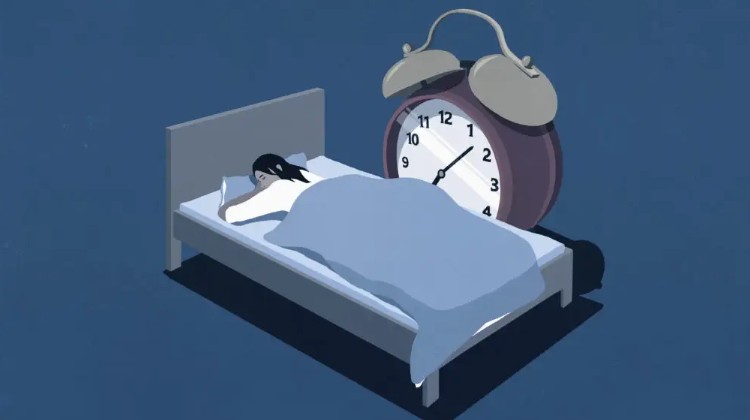
We live in a world obsessed with how little sleep we get and how rubbish that makes us feel. But a wave of new research is suggesting that, in many cases, the way we think about sleep matters more than the hours we get. Simply believing you are well-rested can be enough to create the positive mental and physical benefits of a peaceful slumber.
我们生活在一个过分关注睡眠时间有多么不足、以及这让我们感觉有多么糟糕的世界里。但一系列新的研究表明,在很多情况下,我们对睡眠的看法比实际睡了多少小时更重要。仅仅是相信自己休息得很好,就足以创造出安稳睡眠带来的身心益处。
The question then becomes, how do you trick yourself into thinking you have slept better than you have? The answer may be easier than you think.
那么问题就变成了:如何让自己相信睡得比实际情况更好?答案可能比你想象的要简单。
Actively reshaping your perception of last night's sleep the next day — through exercise, say — could help to break the cycle of short-term sleep loss spiralling into insomnia. Another way to do this seems to be through mindfulness.
在第二天主动重新审视前一晚的睡眠质量(比如通过锻炼),可能有助于打破短期睡眠不足恶化为失眠的恶性循环。另一种似乎有效的方法是通过正念练习。
The researchers think that the mindfulness practice changed the participants' mindset at night. When they woke up, they were better able to control their emotional response and avoid anxious thoughts, preventing the damaging spirals that often fuel insomnia.
研究人员认为,正念练习改变了参与者在夜间的思维模式。当他们醒来时,就能更好地控制自己的情绪反应,避免产生焦虑的想法,从而防止那些通常会加剧失眠的恶性循环。
One final way to create a more positive mindset around sleep is to re-examine how many hours you think you need in the first place. Even healthy sleepers may internalise an ideal — often 8 hours — that doesn't match their personal physiological needs, creating a subtle but persistent expectation gap. Helping people recalibrate expectations can reduce worry and improve sleep satisfaction, even without increasing total sleep time.
最后一种建立更加积极的睡眠心态的方法是,重新审视你一开始认为自己需要睡多少个小时。即使是健康的睡眠者,也可能接受某种理想标准(通常是 8 小时),但这个标准可能并不符合他们个人的生理需求,从而产生一种微妙但是持续存在的期望落差。帮助人们调整期望值可以减少忧虑,提高睡眠满意度,即使是在不增加总睡眠时间的情况下。
Of course, none of this is a reason to abandon good sleep-hygiene practices. The ideal would be to get more sleep in the first place, but where that isn't possible, it should be reassuring to know that all is not lost.
当然,这些都不是放弃良好睡眠卫生习惯的理由。理想情况是首先就获得更多的睡眠,但在无法实现的情况下,知道还有希望改善,这一点应该能让人感到宽慰。