
Last month, a female killer whale was spotted off the coast of Washington State pushing the body of her dead newborn calf, continually retrieving it and preventing it from sinking.
上个月,有人在华盛顿海岸附近目睹了一头雌性虎鲸推着它死去的新生幼崽的尸体,虎鲸不断地将幼崽推回,防止其下沉。
"It seems to be a very literal manifestation of that kind of urge to retain bonds with the dead loved one, " says Becky Millar, a researcher specialising in the philosophy of cognitive sciences at Cardiff University.
“这似乎极为直观地表达了一种对维系与已故所爱之人之间纽带的渴望,” 卡迪夫大学认知科学哲学领域的研究员贝基·米勒说道。
There isn't just anecdotal evidence. Empirical studies also support the theory that some animals, at least, feel emotions akin to grief. Laboratory studies show that infant primates faced with the sudden loss of their mother go through phases of grief characterised by wailing and crying, followed by a gradual detachment from the world.
这不仅有轶事作为证据,实验研究也同样支持了这一理论,即至少某些动物能够感受到类似于悲恸的情绪。实验室研究显示,当幼年灵长类动物突然失去母亲时,它们会陷入悲恸,该状态以哭号和流泪为特征,接着,则是对世界逐渐疏离。
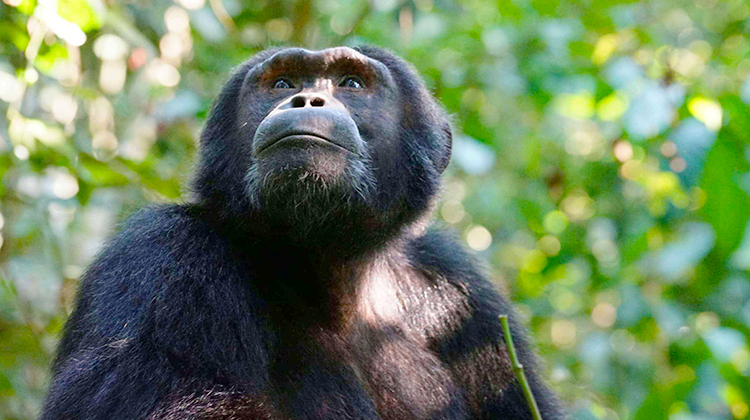
Some animals even appear to display ritualistic behaviours after a death, similarly to how humans would hold a funeral. Elephants are known to visit the remains of family members and strangers alike, touching and stroking their bones, and standing for long periods beside the skeleton in a manner akin to a vigil.
一些动物在面对死亡时,甚至会展现出类似于人类举行葬礼的仪式性行为。据称,大象会去看逝去的家庭成员以及陌生者的遗骸,它们会触碰、轻抚其骨头,并以类似守灵的方式长久地伫立在遗骸旁。
Some philosophers argue that, while some animals undoubtedly feel distress after losing a companion, true grief requires further cognitive capabilities that animals lack. These include the ability to understand the permanence of death, and a recognition that the individual will not be present for future events and milestones in your life.
一些哲学家认为,尽管某些动物在失去同伴后确实会感到痛苦,但是,真正的悲恸需要更深层次的认知能力,而这些能力是动物所不具备的。它包括理解死亡的永久性,以及意识到该个体未来将不再出现在你生命中的重大事件及关键时刻。
However, Millar defines grief as more about learning in a more practical sense how to live in a radically changed world. She believes that this practical process of adaptation is something that could be open to animals as well, given that it doesn't require highly cognitive, intellectual forms of understanding.
然而,米勒则认为悲恸更多在于更切实地去学习如何在一个彻底改变的世界里继续生活。她认为,动物也能感受到这种适应的实践过程,因为这并不需要高度复杂的认知或理智上的理解。