
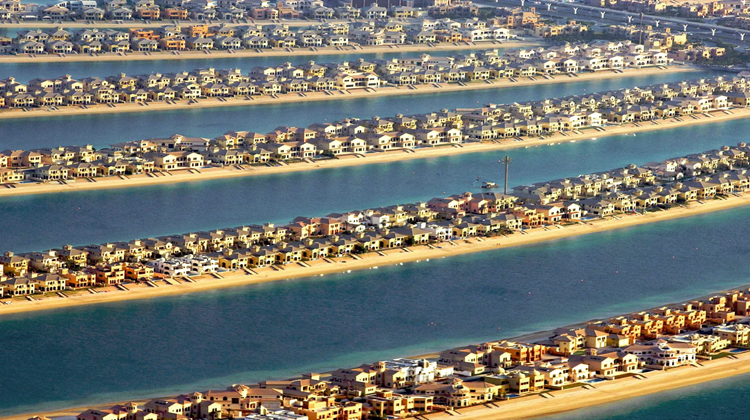
For people living in close proximity to a war zone, the lack of sympathy for Australian and British expats and influencers in Dubai has been, on the face of it, curious.
对于那些生活在战区附近的人来说,人们对迪拜的澳大利亚和英国外籍人士及网红缺乏同情,乍看之下,有些令人好奇。
Since their adopted home was bombed in the initial days of the war, they have faced mostly ridicule and contempt in their home countries.
自从他们的第二故乡在战争初期遭到轰炸以来,他们在本国大多面对的是嘲笑与轻蔑。
On Good Morning Britain, presenter Susanna Reid asked: if Brits moved to Dubai to avoid paying tax, shouldn't they pay for their own evacuation?
在《早安英国》节目中,主持人苏珊娜·里德提出质疑:如果英国人搬到迪拜是为了避税,那他们难道不该自己花钱撤离吗?
Expat influencers on golden visas are part of Dubai's marketing arm — posting an aspirational version of the city to millions around the world.
持黄金签证的外籍网红实际上是迪拜营销体系的一部分——他们向全球数百万观众展示一个令人向往的迪拜形象。
In 2010, the urban theorist Mike Davis published Fear and Money in Dubai. Back then, the city was in the process of becoming what it is today. Davis saw clearly that it had a sickly moral complexion and in its DNA was the worst excesses of capitalism.
2010 年,城市理论家迈克·戴维斯出版了《迪拜的恐惧与金钱》。当时,这座城市正逐渐发展成今天的模样。戴维斯清楚地看到,它在道德层面呈现出一种病态,而其内在基因中包含着资本主义最极端的过度表现。
He wrote of Dubai's "outlandish mega-projects", luxury hotels, decadent food and designer stores with a sort of woozy wonder — like the feeling you get from eating too much rich food at the hotel buffet.
他用一种令人头晕恍惚的惊叹笔触,描绘迪拜那些“夸张离奇的超级工程”、奢华酒店、奢靡饮食和设计师品牌店——就像在酒店自助餐中吃了太多油腻食物后产生的那种眩晕感。
In conflicts, the masks come off. Recent weeks have revealed our lack of compassion for the suffering of Dubai expat influencers, a distaste with the origins of the Dubai project and perhaps our growing lack of trust in the act of influencing itself.
在冲突中,伪装会被撕下。过去几周暴露出人们对迪拜外籍网红的困境缺乏同情,同时也反映出人们对迪拜这一项目起源的反感,或许还有我们对“网红影响力”这一行为本身日益增长的不信任。
It has also made vulnerable workers even more vulnerable. Those who keep Dubai propped up with cheap labour are the ones who can't afford to flee.
这也让本就弱势的劳工群体变得更加脆弱。那些用廉价劳动力支撑起迪拜的人,正是那些根本“逃不起”的人。