
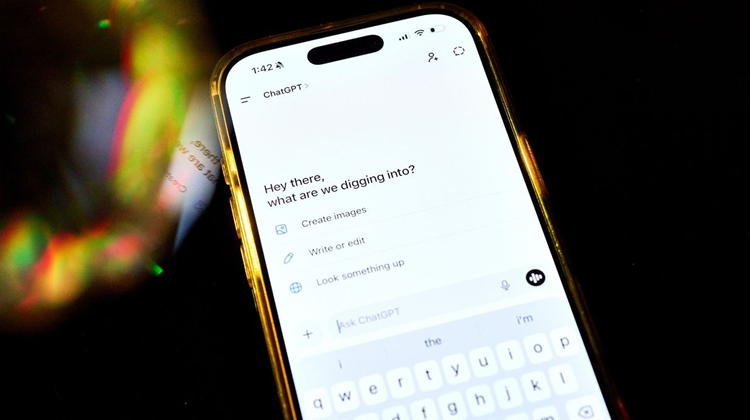
There is now a growing body of research suggesting that the "cognitive offloading" to AI can have a corrosive effect on our mental abilities. The consequences could be alarming and may even contribute to cognitive decline.
如今越来越多的研究表明,将认知任务“甩给”人工智能,会对我们的心智能力产生侵蚀性影响。其后果可能令人担忧,甚至会加速认知能力衰退。
Research scientist Nataliya Kosmyna, who studies the interaction between humans and computers at MIT, recruited 54 students to write short essays and split them into three groups. One was instructed to use ChatGPT. A second could use Google search, with AI-generated summaries turned off. The third didn't use technology. Each student's brainwaves were measured while they worked.
在麻省理工学院研究人机交互的科学家娜塔莉亚·科斯米娜,招募了 54 名学生撰写短论文,并将他们分为三组。第一组被要求使用 ChatGPT,第二组可使用谷歌搜索,但需关闭 AI 生成摘要功能,第三组则不借助任何科技工具。研究人员在学生写作过程中监测了他们的脑电波。
The essay topics were deliberately open-ended, meaning little research was needed for the task, with prompts including questions around loyalty, happiness or our daily life choices.
论文题目均被特意设计为开放式,意味着完成任务无需大量调研。论文题目涉及忠诚、幸福或日常生活抉择等相关问题。
Those who used their own minds had a brain that was "on fire", showing widespread activity across many parts of the brain, she says. The search engine-only group still showed strong activity in the visual parts of the brain, but the ChatGPT group showed notably less brain activity — it was reduced by up to 55%.
科斯米娜表示,完全依靠自身思考写作的学生,大脑处于“高度活跃”状态,多个脑区均呈现广泛活动;仅使用搜索引擎的小组,大脑视觉区域仍表现出强烈活跃;而使用 ChatGPT 的小组,脑活动量显著降低,降幅最高可达 55%。
ChatGPT also affected people's memories. After submitting their essays, people in the AI group were unable to quote from their essays, and several felt they had no ownership over the work. Other studies have also shown that people become less able to retain and recall information when they use AI tools such as ChatGPT.
ChatGPT 还会影响人的记忆力。提交论文后,使用 AI 的学生无法援引自己文章的内容,不少人甚至觉得这篇作品并非自己创作。其他研究也证实,人们在使用 ChatGPT 这类人工智能工具时,记忆和回忆信息的能力会有所下降。
Ultimately, we should all be wary of cognitive shortcuts, which is something "our brains love", Kosmyna says. Clearly, for long-term brain health we need to continue to challenge ourselves. Our minds, creativity and cognitive health will benefit in the process.
科斯米娜指出,归根结底,我们都应警惕这类认知捷径——而这恰恰是“大脑所偏爱”的。显然,为了长期的大脑健康,我们需要持续自我挑战。在此过程中,我们的思维、创造力与认知健康都会从中受益。