
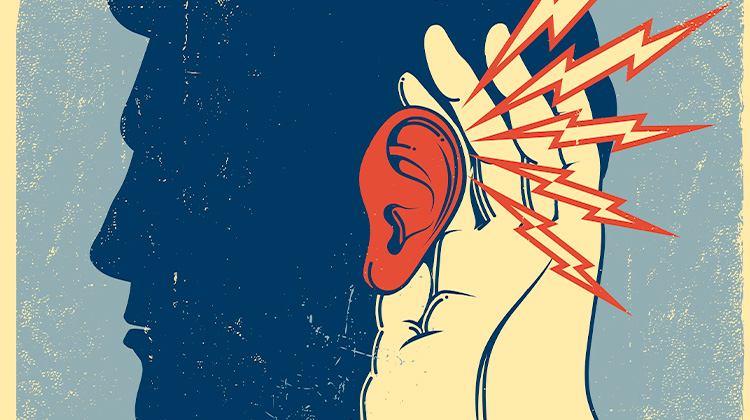
We are surrounded by an invisible killer, one so common that we barely notice it shortening our lives. It's causing heart attacks, type 2 diabetes and studies now even link it to dementia.
我们被一个隐形杀手包围着。它非常常见,以至于我们几乎察觉不到它正在缩短我们的寿命。它会导致心脏病、2 型糖尿病,现在还有研究甚至将其与认知障碍联系起来。
What do you think it could be? The answer is noise — and its impact on the human body goes far beyond damaging hearing.
你觉得它是什么呢?答案就是噪音——而且它对人体的影响远不止损害听力。
Sound is detected by the ear and passed onto the brain and one region — the amygdala — performs the emotional assessment. This is part of the body's fight-or-flight response that has evolved to help us react quickly to the sounds like a predator crashing through the bushes.
声音被耳朵感知并传递到大脑,大脑中的一个区域——杏仁核——负责对情绪进行评估。这是人体“战斗或逃跑”反应的一部分,这种反应经过进化,有助于我们迅速对诸如捕食者穿过灌木丛等声音做出反应。
"So your heart rate goes up, your nervous system starts to kick in and you release stress hormones, " says Prof Charlotte Clark, from St George's, University of London.
“因此,你的心率会加快,神经系统启动,然后释放压力荷尔蒙。” 伦敦圣乔治大学的夏洛特·克拉克教授说道。
In Barcelona there are an estimated 300 heart attacks and 30 deaths a year just from traffic noise, according to researcher Dr Maria Foraster.
据研究者玛丽亚·福拉斯特博士估计,在巴塞罗那,每年仅因交通噪音就会导致约 300 例心脏病发作和 30 人死亡。
The crucial number for heart health is 53 decibels, and the higher you go the greater the health risks. Although it is not just about the volume, how disruptive the sound is and how much control you have over it affect our emotional response to noise.
对于心脏健康而言,关键的数字是 53 分贝,并且分贝值越高,健康风险越大。虽然问题不仅仅在于音量大小,声音的扰人程度以及你对它的掌控程度都会影响我们对噪音的情绪反应。
Urbanisation is putting more people into noisy cities. Artist Mominur Rahman Royal earned the label of the "lone hero" as his silent protests have focused attention on the city's noise problem.
城市化进程让越来越多的人置身于喧嚣的城市中。艺术家莫米努尔·拉赫曼·罗亚尔因其对城市噪音问题关注的无声抗议而获得了“独行英雄”的称号。
"If you see the birds or trees or rivers, no one's making noise without humans, so humans are responsible."
“如果你观察鸟儿、树木或河流,没有人类的地方根本不存在噪音。所以,人类应该对噪音问题负责。”