
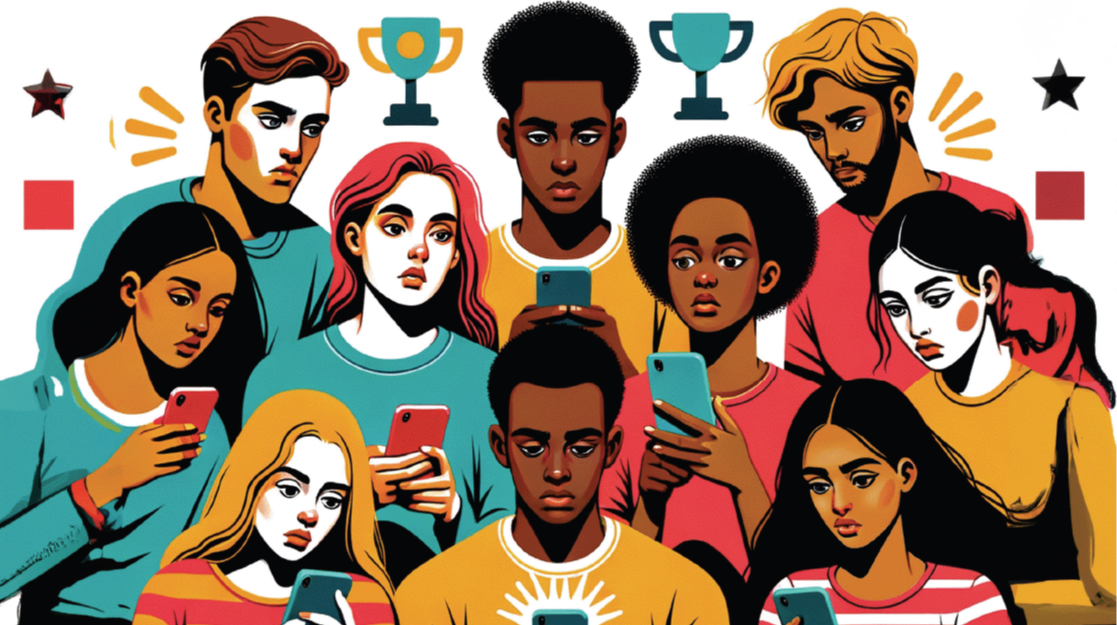
America has a problem with young people and AI. Gen Z has looked clearly at what the AI revolution is doing to their lives and rendered a verdict: The institutions that were supposed to prepare them for this moment have failed; the employers that were supposed to hire them have vanished; and the government that was supposed to manage the transition has been absent without leave.
美国在年轻人与人工智能的问题上正面临困境。Z 世代已经清楚地看到了这场人工智能革命正在如何影响他们的生活,并作出了判决:本该帮助他们为这一时刻做好准备的机构失职了;本应雇佣他们的企业消失了;而本应管理这场转型的政府也擅离职守。
The paradox is telling: 62% of Gen Z and millennials believe that AI will unlock financial opportunities they can't currently access. They believe in the technology's potential, but don't trust the system surrounding it to let them benefit.
这一悖论很能说明问题:62% 的 Z 世代和千禧一代相信,人工智能将为他们提供目前尚无法触及的经济机会。他们相信这项技术本身的潜力,却不信任围绕它运转的体系能够让自己从中受益。
The first institution to stand in the dock is higher education. At the exact moment AI literacy became a foundational workplace skill, most colleges went in the opposite direction. More than half of college students say their school either discourages or outright bans the use of AI, according to Gallup.
第一个站上“被告席”的机构是高等教育。恰恰在人工智能素养成为一项基础职场技能的时候,大多数高校却背道而驰。盖洛普调查显示,超过一半的大学生表示,学校要么不鼓励使用人工智能,要么明令禁止使用人工智能。
Whatever deficiencies young people bring out of school, they have expected the job market to eventually sort things out. It hasn't.
即便年轻人走出校园时存在种种能力短板,他们也曾寄望就业市场能弥补这些不足。但事实并非如此。
At companies that have adopted AI, junior hiring fell nearly 8% within six quarters — not through firings, but through a freeze on new positions, according to a Harvard working paper tracking 62 million workers.
哈佛一份追踪 6200 万职场从业者的工作论文显示,在那些已经采用人工智能的公司中,六个季度内初级岗位招聘量下降近 8%——这个下降并非源于裁员,而是通过冻结新增岗位实现的。
The missing actor in all of this is the government. There is no serious federal workforce transition framework, no large-scale AI-skills retraining program, no mandate that schools treat AI literacy the way they treat reading or arithmetic.
在这一系列问题中,政府始终处于缺位状态。美国联邦层面缺乏真正成型的劳动力转型框架,没有大规模的人工智能技能再培训项目,也未出台硬性要求,让院校像重视阅读和算术能力一样对待人工智能素养教育。
Whether schools catch up, whether employers reverse the junior hiring freeze, and whether Washington produces anything resembling a workforce policy will determine whether the current anxiety hardens into something permanent.
高校能否跟上变化、企业能否解除初级岗位招聘冻结、华盛顿能否出台像样的劳动力政策,都将决定当下的焦虑是否会固化为一种长期现实。