
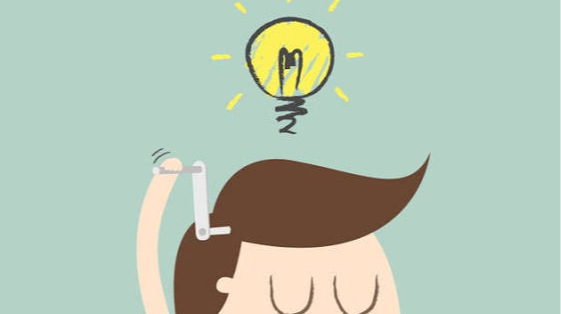
Studies have found that when presented with a problem — or many, all at once — the human mind naturally gravitates towards solving it by adding elements to the mix, rather than taking existing ones away. For example, people would buy an expensive sleep supplement to improve their rest before deciding to cut down on after-hours computer time.
研究发现,当面对一个问题——或者同时面对许多问题时——人类大脑自然而然地倾向于通过增加元素来解决问题,而不是剔除已有的东西。例如,大家会优先购买昂贵的助眠补充剂来改善睡眠,而不是下决心减少下班后使用电脑的时间。
This tendency towards doing the most is called “additive bias”. Those of us living in highly consumerist societies, especially social media users who are encouraged to compare their lives to others’ online, may be even more vulnerable to this mindset, which, ironically, can weaken problem-solving skills.
这种倾向于“做最多”的倾向被称为“加法偏见”。我们中那些生活在高度消费主义的社会中的人,尤其是那些在网络上被裹挟着与他人攀比生活的社交媒体用户,可能更容易受到这种心态的影响,而讽刺的是,这反而可能削弱解决问题的能力。
According to a report by Diana Kwon for Scientific American, people generally find fault with subtractive solutions far more readily than they do with additive ones. When presented with a problem, our penchant for loading up on “more resources, more rules, more habits and responsibilities” can stall or even worsen the very issues we’re trying to fix.
根据戴安娜·权为《科学美国人》撰写的报道,人们挑减法方案的毛病,要比挑加法方案的容易得多。当面对一个问题时,我们堆积“更多资源、更多规则、更多习惯和责任”的偏好,可能恰恰会让我们原本试图解决的问题停滞不前,甚至恶化。
Studies show that if problem solvers are under a “heightened cognitive load”, as when they have a lot on their mind (healthy dinner prep, work deadlines, global war crimes), the effect becomes even more extreme.
研究表明,如果问题解决者处于“高认知负荷”状态下——正如他们脑子里有很多事情(准备健康晚餐、工作截止日期、全球战争罪行)时——这种效应会变得更加极端。
Dr Tom Barry from the department of psychology at the University of Bath said that while people do recognise the value in removing harmful or unnecessary elements from their lives, it’s not what their instincts tell them to do.
巴斯大学心理学系的汤姆·巴里博士表示,虽然人们的确能认识到从生活中摒弃有害或不必要的元素是有价值的,但他们的本能并不会这样指引他们。
“While well-meaning, [this] can unintentionally make mental health feel like an endless list of chores, ” he said. “Good advice should balance doing more with doing less.”
“尽管出发点是好的,但(这种倾向)可能会在无意中让心理健康变得像是一份永无止境的琐事清单,”他说,“好的建议应该在做更多和做更少之间取得平衡。”